

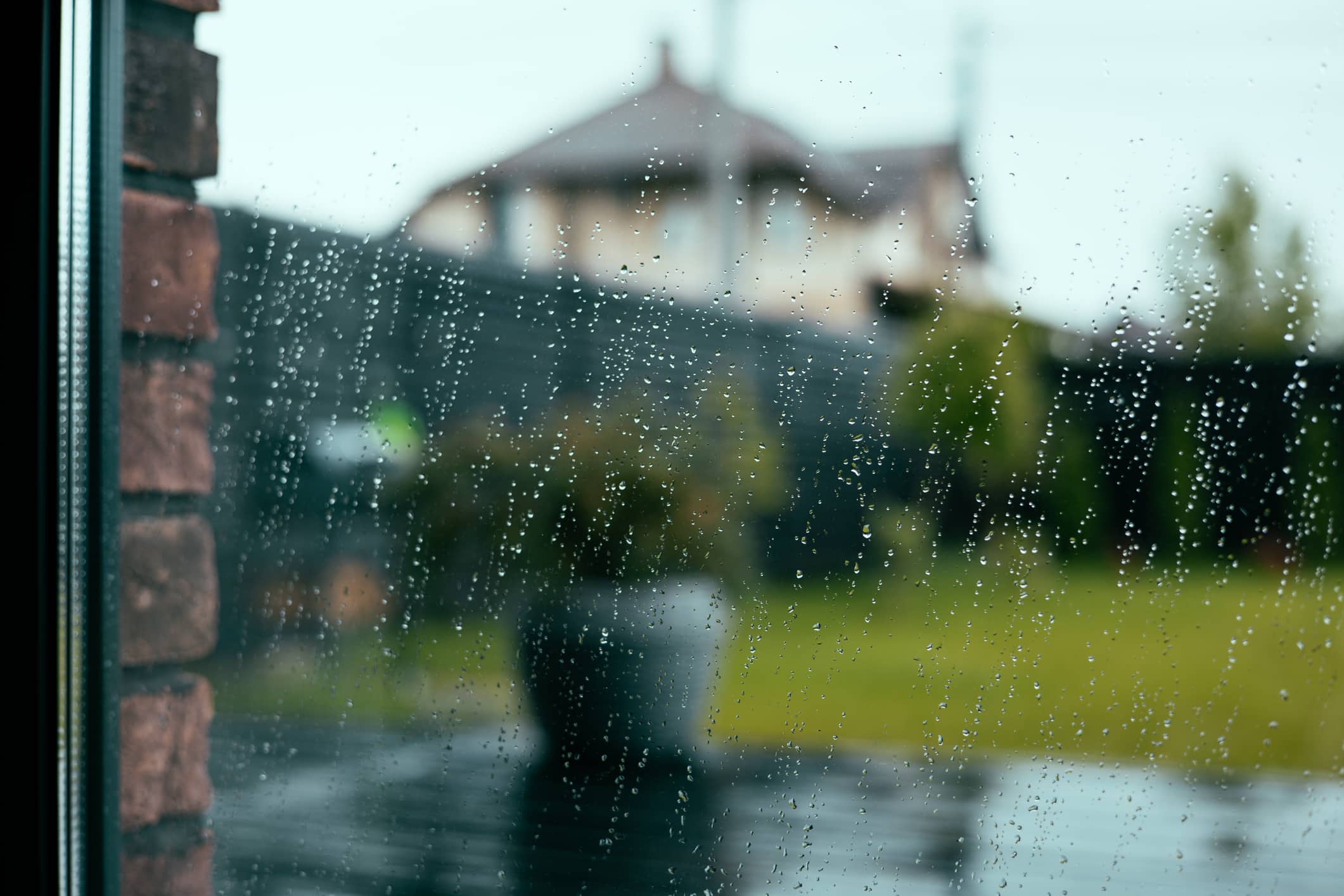
How Does Weather Affect the Exterior of Your Home? 1
Protect Your Property Long-Term

How Does Weather Affect THe Exterior Of Your Home?

The exterior of your home is constantly exposed to changing weather conditions. Rain, snow, ice, wind, sunlight, heat, cold, and changing temperatures can all contribute to wear over time. While exterior building materials are designed to withstand the elements, regular exposure makes maintenance and periodic inspections important.

Understanding how weather affects different areas of your home can help you recognize potential problems earlier and protect the property over the long term.
TL;DR

Rain, snow, wind, sunlight, and temperature changes continually expose exterior materials to wear.

Roofing, siding, windows, trim, decks, fascia, and soffit can all be affected differently.

Regular inspections can help identify weather-related deterioration before it develops into a larger problem.

We Help You Identify Damage

Understanding Weather-Related Exterior Damage

Weather can take a toll on your home’s exterior over time. Understanding how rain, snow, ice, wind, sunlight, and temperature changes affect different materials can help you identify damage and address problems before they become more extensive.

How Does Rain Affect Your Home?

One of the primary purposes of a home’s exterior is to keep water away from areas where it does not belong. Roofing, siding, windows, trim, fascia, soffit, and other components all contribute to protecting the structure. When materials become damaged, loose, deteriorated, or improperly sealed, water may find a path into vulnerable areas. Moisture problems can become more extensive when they remain unnoticed, making early identification important.

What Can Snow and Ice Do to Exterior Materials?

Winter weather creates additional challenges because moisture can remain on exterior surfaces for extended periods. Snow and ice can accumulate on roofing and other horizontal surfaces, while repeated freezing and thawing can expose materials to changing conditions. Existing gaps, cracks, or deterioration can become more concerning when water repeatedly freezes and thaws. Inspecting the exterior after severe winter weather can help identify visible changes or damage.

How Does Wind Affect a Home?

Strong winds can place stress on roofing, siding, trim, and other exterior components. Loose or already-damaged materials may be particularly vulnerable during severe weather. Wind can also carry branches and debris that may strike the home or outdoor structures. Following a major storm, homeowners should look for visible changes such as displaced materials, damaged sections, or debris impact.

What Does Sun Exposure Do Over Time?

Sunlight is another source of long-term exposure. Exterior materials may gradually experience fading, discoloration, drying, or other changes depending on the product and amount of direct sunlight they receive. Different sides of the same home may therefore age differently. Choosing materials designed for exterior use and following appropriate maintenance recommendations can help manage long-term exposure.

Why Do Temperature Changes Matter?

Exterior materials repeatedly expand and contract as temperatures change. Over time, these cycles can contribute to movement, gaps, cracking, or wear in certain materials and connections. Seasonal temperature swings can make existing weaknesses more noticeable. This is one reason homeowners should pay attention to changes rather than assuming that exterior deterioration is only cosmetic.

Which Areas Should Homeowners Watch?

Pay attention to roofing, siding, windows, trim, fascia, soffit, decks, and other exposed exterior areas. Look for loose or missing materials, cracks, deterioration, staining, movement, damaged boards, or other changes from their normal condition. Inside the home, unexpected moisture or water staining can also indicate that an exterior component needs attention. You do not need to wait for major visible damage before having a concern evaluated.
Regular Observation & Timely Maintenance

How Can You Protect Your Home From Weather-Related Wear?

Regular observation and timely maintenance are two of the simplest ways to protect the exterior. Check the property periodically and after significant storms. Address damaged or deteriorating components before the problem has an opportunity to affect surrounding materials. At Towns Edge Builders, we work with homeowners on roofing, siding, windows, decks, exterior remodeling, and framing projects. When weather and age begin affecting part of your home, evaluating the condition can help determine what needs attention and what can continue performing as intended.
Take A Look At Our

Frequently Asked Questions

Weather can gradually affect many areas of your home’s exterior. Explore our FAQs to learn what areas to inspect, how weather can cause damage over time, and what to watch for after a major storm.
Should I inspect my home's exterior after a major storm?

Yes. Look for visible changes involving roofing, siding, trim, windows, decks, and other exposed areas. Damage is not always dramatic, so changes from the property's normal condition are worth noting.

Can weather damage occur gradually?

Yes. Sunlight, moisture, temperature changes, wind, snow, and ice can contribute to gradual wear over time. Regular inspections can make slow-developing deterioration easier to identify.

What exterior areas are most exposed to weather?

Roofing, siding, windows, trim, fascia, soffit, and outdoor structures such as decks all experience regular weather exposure. The amount and type of exposure can vary depending on their location and materials.